
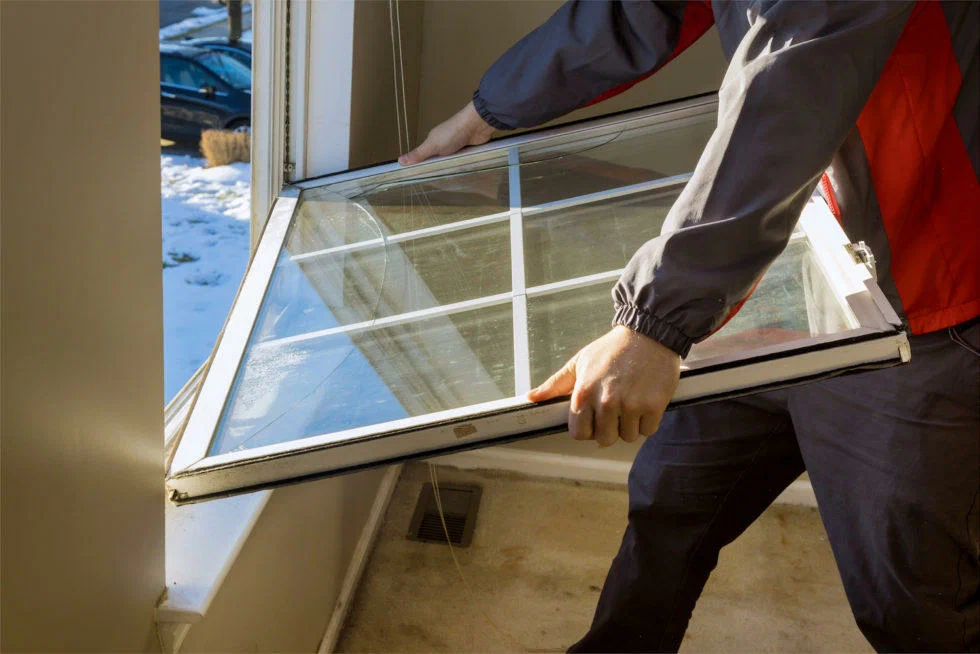
Your windows do more than let in light. They keep out rain, hold in heat, block street noise, and protect your home from moisture. In Kent and the greater Puget Sound area, they also deal with months of steady rain, damp air, and temperature swings that wear on seals, frames, and glass.
Even good windows don’t last forever. Knowing when to replace them can save you from higher energy bills, water damage, and expensive repairs down the road. This guide covers the warning signs, what affects the cost, which materials work best in our climate, and what the replacement process looks like.
Why Window Replacement Matters in the Pacific Northwest
Our climate is hard on windows. Constant moisture can break down seals, swell wood frames, and let water creep into the wall around the window. Because that damage often happens out of sight, many homeowners don’t notice a problem until they see staining, mold, or soft trim.
Old or failing windows can also make your home less comfortable. Cold drafts in winter, warm spots in summer, and condensation on the glass are all signs that your windows are no longer doing their job.
7 Signs It’s Time to Replace Your Windows
1. You Feel Drafts Near the Window
If you can feel cold air when the window is closed and locked, the seals or weatherstripping have failed. Try holding your hand near the edges of the frame on a windy day. Drafts mean your heating system has to work harder to keep the house warm.
2. There Is Fog Between the Panes
Double-pane windows have a sealed space between the layers of glass. When you see fog, moisture, or a cloudy film inside that space, the seal has broken. Cleaning won’t fix it, and the window has usually lost much of its insulating value.
3. Frames Are Rotting, Warped, or Soft
Wood frames in damp climates are especially prone to rot. Press gently on the frame and sill with a screwdriver tip. If it feels soft or crumbles, moisture has already gotten in. Peeling paint, dark stains, and swollen trim are also red flags.
4. Windows Are Hard to Open, Close, or Lock
A window that sticks, slams, or won’t stay open is more than an annoyance. A window that doesn’t lock properly is also a security concern, and in an emergency, a stuck window could be a safety problem.
5. Your Energy Bills Keep Rising
If your heating costs seem to climb every winter even though your habits haven’t changed, leaky windows may be part of the reason. Modern energy-efficient windows are designed to reduce heat loss and keep indoor temperatures steadier.
6. You Notice Water Stains, Mold, or Damp Walls
Water stains below a window, or mold on the wall or sill, mean water is getting in. This can come from failed seals, bad flashing, or a damaged frame. Left alone, it can spread to the framing and insulation inside the wall.
7. The Windows Are Simply Old
If your windows are decades old, they probably have outdated glass, worn hardware, and little insulation. Even if they still open and close, replacing them can noticeably improve comfort, appearance, and efficiency.
Repair or Replace? How to Decide
Not every problem needs a full replacement. A cracked pane, worn weatherstripping, or a broken lock can sometimes be repaired for less money. As a general guide:
Repair may be enough if:
- Only one or two windows have minor problems
- The frames are in good condition
- The issue is limited to hardware, caulking, or weatherstripping
Replacement is usually the better choice if:
- Several windows have fogged glass or drafts
- Frames are rotted or warped
- You see signs of water damage around the window
- You want better energy efficiency or noise reduction
- Repair costs are adding up and the windows are near the end of their life
A professional inspection can tell you which category your home falls into before you spend money.
What Affects the Cost of Window Replacement?
Prices vary widely from home to home, so it’s hard to give one number that fits everyone. Here are the factors that influence your final cost:
Number of windows. Replacing many windows at once often costs less per window than doing them one at a time, since the crew is already on site.
Frame material. Vinyl is typically the most budget-friendly. Fiberglass and wood generally cost more.
Glass type. Double-pane glass is common, while triple-pane costs more but adds insulation. Low-E coatings and gas fills between the panes can also improve efficiency and raise the price.
Style and size. Standard sizes cost less. Large picture windows, bay or bow windows, and custom shapes usually cost more.
Installation type. Some projects are simple insert replacements that fit into the existing frame. Others involve a full-frame replacement, which means removing the old window down to the studs. Full-frame jobs take more time but allow the installer to repair any hidden damage.
Hidden damage. Once old windows come out, installers sometimes find rotted framing or water damage that needs repair first. A good contractor will explain this to you before adding anything to the price.
The most accurate way to get a real number is a free on-site estimate, since a contractor can measure, inspect the frames, and check for moisture problems.
Choosing the Right Window Material
Vinyl windows are affordable, low maintenance, and resistant to moisture. They never need painting and handle our wet weather well, which is why they are so popular with local homeowners.
Fiberglass windows are strong and stable, and they hold up well when temperatures change. They tend to cost more than vinyl but can last a long time and offer slimmer frames.
Wood windows have a classic look and can be beautiful, but they need regular painting or staining and are more vulnerable to moisture. They’re best for homeowners who love the look and don’t mind the upkeep.
Aluminum windows are strong and slim, but they conduct heat and cold more easily, so they’re less common for energy-conscious homes in our climate.
For most homes in Kent, vinyl or fiberglass offers the best balance of durability, efficiency, and maintenance.
Energy Efficiency: What to Look For
When comparing windows, look for features that help with insulation:
- Double or triple-pane glass to slow heat transfer
- Low-E coating to reflect heat while letting light through
- Gas fills (such as argon) between panes for added insulation
- Insulated frames to reduce heat loss
- ENERGY STAR® labeling, which shows a window meets efficiency guidelines for your region
Better windows can make your home feel more comfortable year-round, with fewer cold spots near the glass.
What Happens During a Window Replacement?
Knowing the steps can make the project feel less stressful:
- Free estimate and consultation. A contractor visits, measures the windows, checks the frames and surrounding wall, and discusses your options.
- Selecting your windows. You choose the style, material, color, and glass features that fit your home and budget.
- Scheduling. Once your windows are ordered and ready, the installation date is set.
- Removal of old windows. The crew carefully removes the old windows and checks the opening for damage.
- Preparation and repairs. Any rot or damage is repaired, and the opening is prepared for the new unit.
- Installation and sealing. The new window is set level, secured, flashed, and sealed to keep water out. This step matters more than most people realize.
- Trim, finishing, and cleanup. Interior and exterior trim is finished, and the work area is cleaned up.
- Final walkthrough. You check the windows with the crew to make sure everything opens, closes, and locks properly.
Many replacements can be finished in a day or two, depending on how many windows are involved.
Don’t Forget the Rest of Your Exterior
New windows work best when the area around them is in good shape. If your siding is damaged or has moisture problems, water can still get behind the new window trim. That is why many homeowners replace windows and siding installation together, so everything is sealed and finished as one system.
Drainage matters too. Clogged, leaking, or poorly installed gutters can send water running down the wall and around your window frames. A proper gutter installation keeps rainwater away from your windows, siding, and foundation.
And if your roof is also nearing the end of its life, it makes sense to plan your roofing work at the same time. Coordinating projects can reduce disruption and help you avoid paying for access or repairs twice.
Not sure what order to tackle everything in? Our guide to planning a full exterior remodel explains what to replace first and how to combine projects wisely.
Why Hire a Local Window Installer?
A window is only as good as its installation. Even a high-quality window can leak or lose efficiency if it is not flashed and sealed correctly. A local contractor understands our rainy climate, the moisture problems Pacific Northwest homes face, and the details that keep water out for years.
Local companies are also easier to reach if you have a question after the job is done. When you’re comparing contractors, ask about:
- Experience installing windows in homes like yours
- How they handle flashing and waterproofing
- What is included in the estimate
- Warranty coverage on both the windows and the installation
- How they handle hidden damage if it’s found
If you’re in the area, take a look at our window installation services in Kent, WA to see how we handle replacements from start to finish.
Frequently Asked Questions
How long do windows last?
It depends on the material, quality, and installation. Many windows last for decades, but seals and hardware can fail sooner in wet climates.
Can I replace just a few windows?
Yes. Many homeowners start with the worst windows first, though replacing several at once can be more convenient and cost-effective.
Will new windows lower my energy bills?
Energy-efficient windows can help reduce heat loss and improve comfort, though the savings depend on your home and your current windows.
Do I need to be home during installation?
Usually someone needs to be available for access and to approve the work, but you won’t need to supervise every step.
When is the best time to replace windows?
Windows can be replaced year-round. Many homeowners prefer to avoid the heaviest rain, but a professional crew can protect your home during the work.
Ready to Replace Your Windows?
If your windows are drafty, damaged, or simply past their best, a free estimate is the easiest first step. Our team can inspect your windows, explain your options, and give you a clear, honest price with no pressure.
Visit the Lifetime Exterior Solutions to see everything we offer, or call us at (425) 948-8394 to schedule your free estimate today.